
How Landscaping Contractors in Hamilton Improve Residential Landscapes
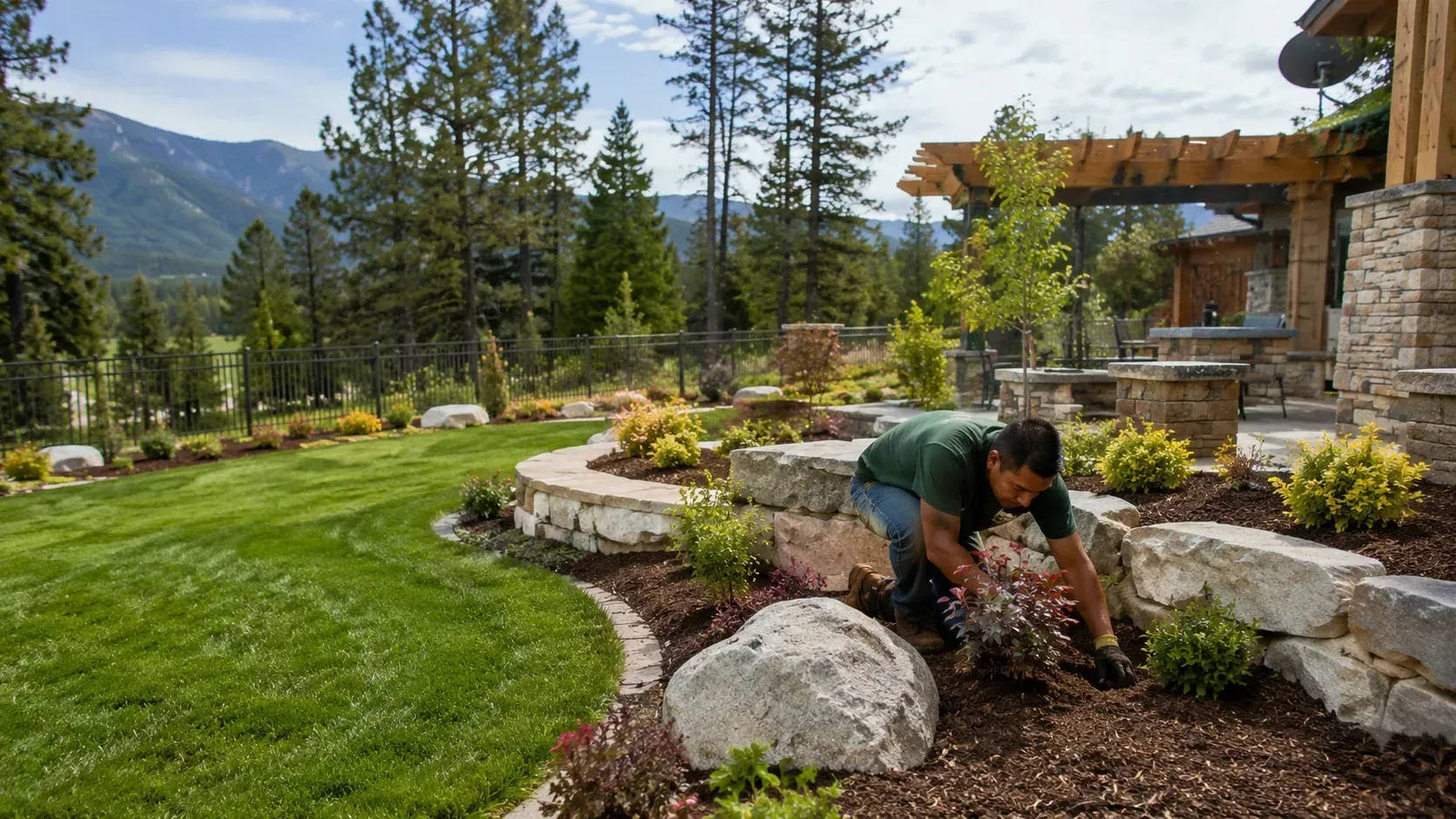
Key Takeaways
- Landscaping contractors bring technical knowledge of soil, drainage, and plant selection that most homeowners do not have time to develop on their own
- Grading and drainage work often matter more to long-term yard health than visible plantings
- Hardscape elements like patios and retaining walls require specific installation knowledge to function properly over time
- Professional design services can help align a landscape with a homeowner's budget, property layout, and long-term maintenance goals
- Working with a contractor does not guarantee a specific outcome, but it does bring structured planning to a property
Introduction
Landscaping contractors improve residential landscapes by combining technical planning, like grading and drainage, with design and installation work such as planting, hardscaping, and structural features. This process typically results in a yard that functions better and holds up over time compared to piecemeal changes made without an overall plan.
For homeowners in Hamilton, MT, a yard is not just a visual feature. It affects drainage around the foundation, how usable outdoor space is throughout the year, and how much maintenance a property requires long term. Many homeowners start landscaping projects focused on appearance alone, only to run into drainage or soil issues later that could have been addressed early through proper landscaping services.
This article explains what landscaping contractors actually do, why certain steps like grading happen before any planting begins, and what homeowners should realistically expect when working with a professional on a residential property.
What Landscaping Contractors Actually Do
Landscaping contractors typically handle a mix of planning and physical installation work. This can include site assessment, soil evaluation, grading, irrigation planning, plant selection, and the installation of hardscape features like patios, walkways, or retaining walls.
Unlike general yard maintenance, which focuses on upkeep of existing features, contractor work often involves changing the structure or layout of a property. This might mean reshaping a slope, installing a new planting bed, or adding a paved area for outdoor use.
Much of this work requires understanding local soil conditions, climate patterns, and drainage behavior, which can vary significantly even within the same town or county.
Why Grading and Drainage Come Before Design
Before any plants go into the ground or any patio gets installed, contractors usually assess how water moves across a property. Grading refers to the slope and shape of the land, and it plays a direct role in whether water pools near a foundation or drains away properly.
Skipping this step is one of the more common mistakes in do-it-yourself landscaping projects. A yard might look appealing initially, but poor grading can lead to water damage, erosion, or dead plants within a year or two if drainage was not addressed first.
Contractors often use grading equipment and drainage solutions like French drains or dry wells to redirect water in a way that protects both the landscape and the structure of the home.
The Role of Plant Selection in Long-Term Landscape Health
Choosing plants that match a property's soil type, sun exposure, and regional climate is one of the more technical aspects of residential landscaping. In Montana, this often means selecting plants that can tolerate cold winters, dry summers, and significant temperature swings between seasons.
Native or climate-adapted plants often require less ongoing intervention once established, though this varies by species and site conditions. Contractors typically draw on regional plant knowledge to recommend species suited to a specific yard rather than relying on generic landscaping trends.
Improper plant selection is one of the more common reasons landscaping projects need repeated replanting, which adds unnecessary cost and effort over time.
How Hardscaping Fits Into a Residential Landscape
Hardscaping refers to the non-plant elements of a landscape, such as patios, walkways, retaining walls, and fire pits. These features often require more precise installation than planting beds, since improper base preparation can lead to shifting, cracking, or uneven surfaces over time.
Retaining walls, in particular, need to account for soil pressure and drainage behind the wall structure. Without this, walls can bow, crack, or fail entirely within a few years.
Homeowners interested in adding these kinds of features to their property may want to review hardscaping options to understand what installation and long-term maintenance typically involve.
What Homeowners Should Understand Before Starting a Project
Before beginning a landscaping project, it helps to have a general idea of budget, how the space will be used, and how much ongoing maintenance is realistic for the household. A landscape designed for low upkeep will look different from one designed around detailed garden beds or seasonal plantings.
It also helps to think about how a project fits into the property over time rather than focusing only on the initial installation. Features like irrigation systems, drainage solutions, and plant selection all affect how much work the landscape will require in future years.
Homeowners working with an established local company can benefit from a team that understands regional soil and climate conditions specific to areas like Hamilton, Corvallis, and Stevensville. Learning more about a contractor's background and experience can also help set realistic expectations before a project begins.
Limitations and Realistic Expectations
Landscaping work does not guarantee a specific outcome, since results depend on many variables including weather, soil conditions, plant health, and ongoing maintenance after installation. A contractor can design and install a landscape based on sound principles, but long-term success also depends on proper care after the project is complete.
Budget constraints, property size, and existing site conditions can also limit what is realistically achievable. A property with significant drainage issues, for example, may require more extensive site work before cosmetic improvements can be made.
Understanding these limitations upfront can help homeowners set realistic goals and avoid frustration if a landscape does not perform exactly as expected in its first year.
Conclusion
Landscaping contractors improve residential landscapes by addressing both the technical and visual sides of a property, from grading and drainage to plant selection and hardscape installation. This structured approach tends to produce more durable results than isolated changes made without a broader plan.
At the same time, landscaping is not without limitations. Weather, soil, and ongoing maintenance all play a role in how a landscape performs over time, and no contractor can guarantee a specific result. Homeowners who understand this going into a project are often better prepared to make informed decisions about their property.
Curious What a Professional Landscape Assessment Looks Like?
If you are considering changes to your property in the Hamilton, MT area, whether that means addressing drainage, adding hardscape features, or simply rethinking your existing layout, understanding your options can help you plan more effectively.
This is meant as general information, not a guarantee of specific results, since every property has different conditions. If you would like to talk through what might work for your yard, feel free to contact us for an informational conversation, no pressure and no obligation.
Frequently Asked Questions
What is the difference between landscaping contractors and general lawn care services?
Landscaping contractors typically handle design and structural changes to a property, such as grading, planting beds, and hardscaping, while lawn care services focus on maintaining existing grass and plants.
Do I need a contractor for a small landscaping project?
Describe the item or answer the question so that site visitors who are interested get more information. You can emphasize this text with bullets, italics or bold, and add links.How long does a typical residential landscaping project take?
Timelines vary widely depending on project size, weather, and site conditions. Smaller projects may take a few days, while larger installations involving grading or hardscaping can take several weeks.
Can landscaping fix drainage problems around my home?
Landscaping work can address certain drainage issues through grading and drainage systems, though the effectiveness depends on the specific cause and severity of the problem.
Is native plant landscaping more affordable long term?
Native or climate-adapted plants often require less water and maintenance once established, though upfront costs and results can vary depending on the specific plants and site conditions.
What should I ask a landscaping contractor before starting a project?
It can help to ask about their experience with similar properties, how they approach drainage and soil assessment, and what kind of maintenance the finished landscape will require.
Does hardscaping require different maintenance than planted areas?
Yes. Hardscape features like patios and walls generally need less frequent maintenance than plants, but they can require occasional repairs related to shifting, cracking, or drainage issues over time.