
Why Does Your Lawn Turn Brown in Late Summer, and What Can You Do About It?
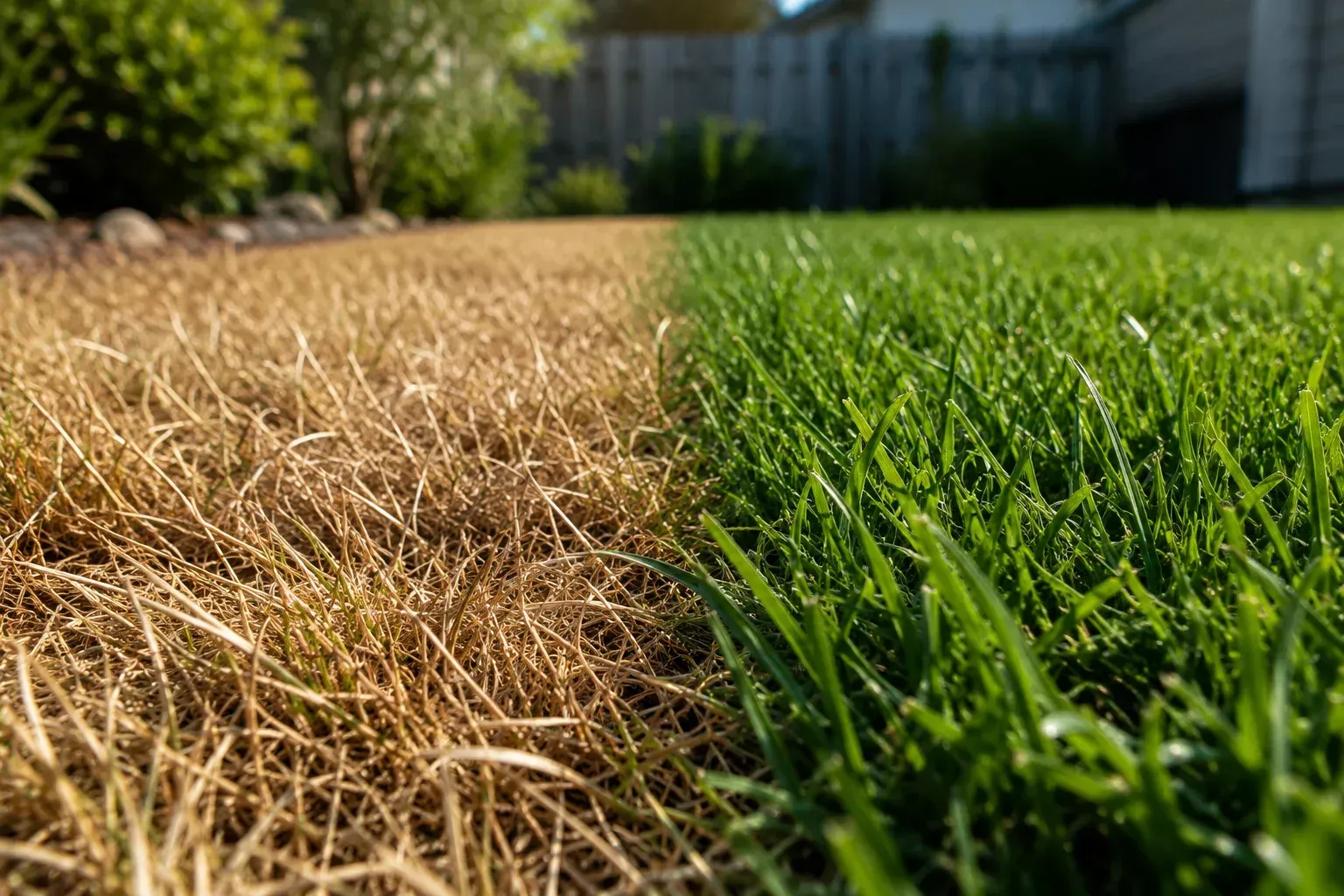
Table of Contents
- Introduction
- Why Summer Watering Needs Change in Montana
- How Much Water Does a Montana Lawn Actually Need
- Factors That Affect Watering Frequency
- 5. Best Times of Day to Water Your Lawn
- Signs Your Lawn Is Getting Too Much or Too Little Water
- Simple Watering Schedule Guidelines
- Common Watering Mistakes to Avoid
- Conclusion
- Still Not Sure If Your Lawn Is Getting Enough Water?
- Frequently Asked Questions
Key Takeaways
- Brown grass in late summer is often caused by heat stress, drought, or natural dormancy rather than permanent damage
- Improper watering habits can make brown patches worse, even when rainfall seems adequate
- Certain pests and lawn diseases can mimic the look of heat-related browning
- Recovery steps depend on the actual cause, so identifying the reason matters before taking action
- Some browning is a normal seasonal response and does not always require intervention
Introduction
Lawns often turn brown in late summer due to a combination of heat stress, drought, and natural dormancy, all of which cause grass to slow down or temporarily shut down its growth process. In many cases, this browning is a survival response rather than a sign that the grass has died.
For homeowners in Hamilton, MT and the surrounding area, watching a green lawn fade to brown during August can be frustrating, especially after putting effort into spring and early summer lawn care. Understanding what is actually happening beneath the surface helps property owners make better decisions about whether to adjust their watering, wait it out, or look into other underlying issues.
This article walks through the most common reasons lawns turn brown during peak summer heat, how to tell dormant grass apart from grass that may actually be dying, and what steps can realistically help a lawn recover once conditions improve.
Is Brown Grass Always a Problem
Not necessarily. Grass has natural defense mechanisms that allow it to survive periods of heat and limited water by going dormant. During dormancy, the visible blades turn brown, but the crown and root system below the soil often remain alive.
This is a normal part of how many cool-season grasses, like Kentucky bluegrass, respond to prolonged heat. The grass is essentially conserving energy and water rather than dying outright.
That said, brown grass can also be a warning sign of something more serious, such as pest damage, fungal disease, or long-term drought stress. This is why understanding the cause matters more than reacting to the color alone.
Common Causes of Late Summer Browning
Heat Stress
When temperatures stay consistently high for extended periods, grass loses moisture faster than it can absorb it, even with regular watering. This leads to visible wilting and browning, especially in areas with full sun exposure.
Heat stress tends to show up first in high traffic areas or spots with thinner soil, since these areas dry out more quickly than the rest of the lawn.
Drought and Water Loss
Extended dry periods without rainfall force grass to pull moisture from deeper in the soil. Once that moisture runs low, grass blades begin to brown as a way of reducing water loss through the leaf surface.
Drought stress can be worsened in areas with sandy or compacted soil, since water drains through or fails to absorb properly in these conditions.
Natural Dormancy
Many grass types enter a dormant state during extreme heat as a survival strategy. This is different from drought stress because dormancy can happen even with adequate watering, particularly in grass varieties that are genetically inclined to slow growth during high heat.
Dormant grass typically has a straw-like brown color but retains some flexibility in the blades, rather than becoming completely brittle.
Pests and Lawn Disease
Insects like chinch bugs or grubs can cause patches of brown grass that resemble heat stress but are actually caused by root or blade damage. Fungal diseases, such as brown patch or dollar spot, can also create irregular brown areas, especially in humid or overly wet conditions.
These issues often show more defined patterns, like circular patches or streaks, compared to the more uniform browning caused by heat or drought.
Improper Watering Habits
Watering too little encourages shallow roots that cannot access deeper soil moisture during hot weather. Watering too much, especially during the hottest part of the day, can lead to water evaporating before it soaks in, while also increasing the risk of fungal growth.
Inconsistent watering, where a lawn gets heavy watering one week and none the next, can also contribute to stress-related browning.

How to Tell the Difference Between Dormant and Dead Grass
One simple way to check is to pull on a small section of grass. If the blades come out easily from the root, with little resistance, this may indicate the grass has died. If the grass resists and stays rooted, it is more likely dormant.
Another method is the tug test combined with a soil check. Dormant grass typically still has a firm, light-colored crown at the base of the blade, while dead grass often has a darker, mushy, or brittle crown.
Watering a small test patch and observing it over one to two weeks can also help. Dormant grass often shows some green regrowth once consistent watering resumes, while dead grass will not recover regardless of watering.
Practical Steps to Help a Brown Lawn Recover
Adjusting watering frequency to align with actual weather conditions, rather than a fixed schedule, can help reduce unnecessary stress on the lawn. Early morning watering, generally before 9 a.m., allows water to soak into the soil before it evaporates in the heat.
Raising the mower blade height during late summer can also help, since taller grass blades shade the soil and reduce moisture loss. Avoiding heavy foot traffic or mowing during the hottest part of the day gives stressed grass a better chance to recover once temperatures drop.
For lawns affected by pests or disease rather than heat alone, addressing the underlying cause is necessary before the grass can fully recover. This sometimes requires a closer look at the soil, thatch layer, or affected areas to determine what is actually happening.
Property owners dealing with recurring seasonal stress may also want to review their overall
seasonal yard cleanup routine, since built-up debris or thatch can trap heat and moisture in ways that worsen browning.
When Professional Evaluation Might Help
In some cases, brown patches persist even after adjusting watering and mowing habits. This can indicate an underlying issue, such as soil compaction, poor drainage, or an irrigation system that is not distributing water evenly across the yard.
A property with consistently uneven watering coverage may benefit from a review of its irrigation setup, particularly if certain areas of the lawn brown faster than others despite similar sun exposure.
This kind of evaluation is not always necessary, but it can help clarify whether the cause is seasonal and temporary or something that needs a longer term solution.
Common Watering Mistakes to Avoid
One common mistake is watering lightly every day, which encourages shallow root growth instead of deeper, more resilient roots. Another is ignoring rainfall totals and continuing a fixed schedule regardless of recent precipitation.
Watering during the hottest part of the day, rather than early morning, is another frequent issue that reduces efficiency. Finally, using the same watering schedule across an entire property without accounting for sun, shade, or soil differences can lead to uneven results across the yard.
Conclusion
Brown grass in late summer is often the result of heat stress, drought, or natural dormancy, all of which are common and expected responses to hot, dry conditions. In many cases, the grass is not dead, simply conserving resources until conditions improve.
Understanding the difference between dormant and dead grass, along with recognizing signs of pests or disease, helps homeowners respond appropriately rather than guessing. Adjusting watering habits, mowing height, and yard maintenance can support recovery, though results vary depending on the underlying cause and how long the stress has been present.
Not Sure What's Causing Your Brown Patches?
Brown grass can come from a lot of different sources, and it is not always easy to tell heat stress apart from something more specific to your yard's soil or irrigation setup. If you are unsure what is affecting your lawn in the Hamilton, MT area, a second look at your watering routine or yard conditions might bring some clarity.
This is meant as general information, not a guaranteed fix, since every lawn responds differently. If you would like to talk through what you are seeing in your yard, feel free to
contact us for an informational conversation, no pressure and no obligation.
Frequently Asked Questions
Why does my lawn turn brown even when I water it regularly?
Brown grass can still occur due to heat stress or natural dormancy, even with consistent watering, especially during extended periods of high temperatures.
How long does it take for a dormant lawn to turn green again?
Recovery time varies depending on grass type, soil condition, and weather, but many lawns begin showing some green regrowth within one to two weeks after consistent, appropriate watering resumes.
Can brown grass be a sign of disease rather than heat stress?
Yes. Fungal diseases and certain pests can cause brown patches that resemble heat stress but often appear in more defined patterns, like circles or streaks, rather than uniform browning.
How can I tell if my grass is dead instead of just dormant?
A simple tug test can help. Grass that resists pulling and has a firm crown at the base is likely dormant, while grass that comes out easily with a dark or mushy crown may be dead.
Does soil type affect how quickly my lawn turns brown?
Yes. Sandy or compacted soil tends to lose moisture faster, which can accelerate browning compared to lawns with more balanced, well-draining soil.