Table of Contents
- Introduction
- What Is Peat Moss and Why It Is Used in Soil Amendment
- Montana Soil Conditions and Common Challenges
- How Peat Moss Improves Soil Structure and Moisture Retention
- Using Peat Moss in Gardens and Lawns in Hamilton, MT
- Environmental Considerations and Responsible Use of Peat Moss
- Alternatives or Complementary Soil Amendments
- Conclusion
- Book a Lawn Care Service
- Frequently Asked Questions
Key Takeaways
- Peat moss is a soil amendment that helps improve water retention and soil structure in dry or compacted soils
- Montana soils often face challenges such as low moisture retention and compaction, especially in garden settings
- peat moss soil applications can support better aeration and root development in landscaping and lawns
- It is commonly used in gardening and lawn care to improve consistency in soil performance across seasons
- Responsible use is important due to environmental considerations associated with peat harvesting
Introduction
Peat moss is a soil amendment that helps improve moisture retention, soil structure, and overall growing conditions, especially in Montana’s dry and often compacted soils. For homeowners, gardeners, and landscaping professionals in Hamilton, MT, understanding how peat moss works can support more informed decisions about soil preparation and maintenance.
Montana’s climate and soil conditions can make it difficult for plants to maintain consistent access to water and nutrients. This is where peat moss becomes relevant, as it is commonly used to improve soil performance in both residential gardens and larger landscaping projects. Understanding its properties helps users apply it more effectively and responsibly.
What Is Peat Moss and Why It Is Used in Soil Amendment
To understand its role, it helps to first answer the question: what is peat moss?
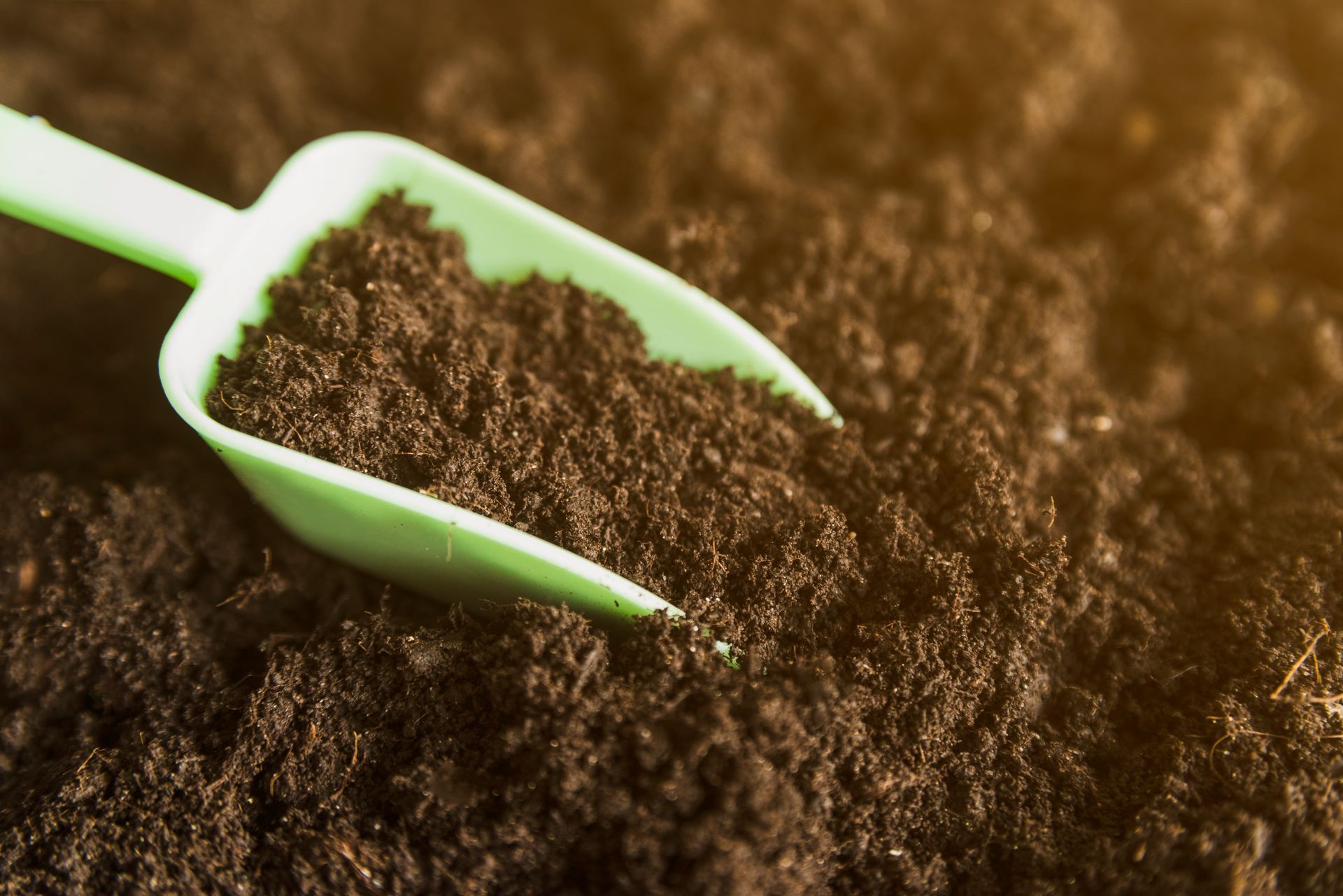
Peat moss is an organic material formed from partially decomposed plant matter, typically harvested from peat bogs. It is lightweight, fibrous, and has a high ability to hold moisture.
In gardening and landscaping, peat moss is often used as a soil amendment rather than a standalone growing medium. This means it is mixed into existing soil to improve its physical properties.
Key characteristics include:
- High water retention capacity
- Low nutrient content but strong structure improvement
- Ability to improve soil texture when mixed with sand or clay soils
Because of these properties, peat moss is commonly included in garden preparation to modify soil behavior rather than replace it entirely.
Montana Soil Conditions and Common Challenges
Montana soil conditions vary, but many areas, including Hamilton, MT, experience challenges that can affect plant growth and lawn health.
Some common soil-related issues include:
- Dry conditions during warmer months
- Compacted soil in residential lawns and landscaped areas
- Limited organic matter in some soil types
- Uneven moisture distribution after irrigation or rainfall
These conditions can make it difficult for roots to grow deeply and access consistent moisture. As a result, soil amendments are often considered as part of lawn care and gardening practices.
In regions with these characteristics, improving soil structure is often more effective than simply increasing watering frequency.
How Peat Moss Improves Soil Structure and Moisture Retention
Peat moss is widely used because of how it interacts with soil physically rather than chemically. When incorporated into soil, peat moss soil mixtures can help modify texture and water behavior.
Moisture Retention
One of the main functions of peat moss is its ability to hold water. It can absorb and retain moisture, slowly releasing it back into surrounding soil. This helps reduce rapid drying in sandy or dry soils.
Soil Aeration and Structure
When mixed into compacted soil, peat moss can improve looseness and airflow. This supports better root penetration and helps reduce compaction over time when used correctly.
Root Environment Support
A more balanced soil structure can support more consistent root development. Roots generally perform better in soil that is neither overly compacted nor overly dry.
pH Influence
Peat moss is naturally slightly acidic. In some cases, this can influence soil pH depending on how much is applied and the existing soil conditions.
Using Peat Moss in Gardens and Lawns in Hamilton, MT
In Hamilton, MT, peat moss is commonly used in garden beds, vegetable plots, and lawn preparation projects where soil improvement is needed.
Garden Beds
Gardeners often mix peat moss into topsoil before planting. This helps create a more consistent growing environment, especially in raised beds or areas with poor native soil.
Lawn Preparation
In lawn care applications, peat moss may be incorporated during soil preparation before seeding or overseeding. This can help improve seed-to-soil contact and moisture availability during germination periods.
Compost Blending
Peat moss is also sometimes blended with compost to create a more balanced soil amendment mix. This combination can improve both structure and organic content.
Application Considerations
- It is usually mixed into soil rather than layered on top
- The amount used depends on existing soil quality
- Overuse may lead to overly acidic soil conditions in some cases
Professional lawn care providers in areas like Hamilton often evaluate soil conditions before recommending amendments.
Environmental Considerations and Responsible Use of Peat Moss
While peat moss is widely used in gardening, it is important to understand its environmental context.
Peat bogs form over long periods of time, and peat harvesting is generally considered a slow-renewing process. Because of this, responsible use is an important consideration in modern landscaping practices.
Points to consider include:
- Peat moss is not a rapidly renewable resource
- Harvesting practices can impact natural wetland ecosystems
- Some gardening professionals look for reduced or blended usage strategies
Due to these factors, some landscapers and homeowners choose to use peat moss in combination with other soil amendments rather than relying on it exclusively.
Alternatives or Complementary Soil Amendments
Peat moss is often used alongside or compared with other soil improvement materials.
Common alternatives or complements include:
- Compost, which adds organic nutrients and improves soil biology
- Coconut coir, a renewable fiber-based material with similar moisture retention properties
- Aged manure, which improves nutrient content and soil structure
- Mulch, which helps regulate surface moisture and temperature
Each option has different characteristics, and the choice often depends on soil conditions, availability, and project goals.
Conclusion
Peat moss is a widely used soil amendment that helps improve moisture retention, soil structure, and overall growing conditions. In Montana, where soil can be dry or compacted, it is often used to support more consistent gardening and landscaping results.
Understanding what peat moss is and how it interacts with soil helps homeowners and professionals make more informed decisions. While it offers clear physical benefits for soil improvement, it is also important to consider environmental factors and use it responsibly alongside other soil-building materials.
Book a Lawn Care Service
For homeowners and property managers in Hamilton, MT looking to improve soil conditions or better understand soil amendment options like peat moss, professional guidance can help support informed decisions.
Two Brothers Lawn and Snow, LLC provides lawn care and landscaping support tailored to local soil and seasonal conditions. Contact us by email at support@twobrotherslawnandsnow.com, or by phone at 406-369-4114 to learn more!
Frequently Asked Questions
What is peat moss used for in gardening?
Peat moss is used as a soil amendment to improve moisture retention, soil structure, and aeration in garden beds and lawns.
Can peat moss be used directly in soil?
It is typically mixed into existing soil rather than used on its own, as it works best as an amendment.
Is peat moss suitable for Montana soil conditions?
Yes, it is often used in Montana to help improve dry or compacted soils, especially in gardens and landscaped areas.
Does peat moss affect soil pH?
Peat moss is naturally slightly acidic and may influence soil pH depending on how much is applied.
Are there alternatives to peat moss for soil improvement?
Yes, compost, coconut coir, and other organic materials are commonly used as alternatives or supplements.