
Table of Contents
- Introduction
- Understanding Your Gardening Home Environment
- Choosing the Right Location for Home Gardening
- Soil Preparation and Management
- Planning Light and Sun Exposure
- Watering Strategies for Healthy Growth
- Plant Selection and Spacing Considerations
- Managing Maintenance and Seasonal Changes
- Common Limitations and Planning Challenges
- Conclusion
- Book a Landscaping Service
- Frequently Asked Questions
Key Takeaways
- A successful gardening home setup starts with understanding space, climate, and sunlight conditions.
- Soil quality, drainage, and preparation directly influence plant health and long-term growth.
- Consistent watering routines and proper plant spacing help reduce stress and disease risks.
- Thoughtful planning supports sustainable home gardening without relying on guarantees or shortcuts.
Introduction
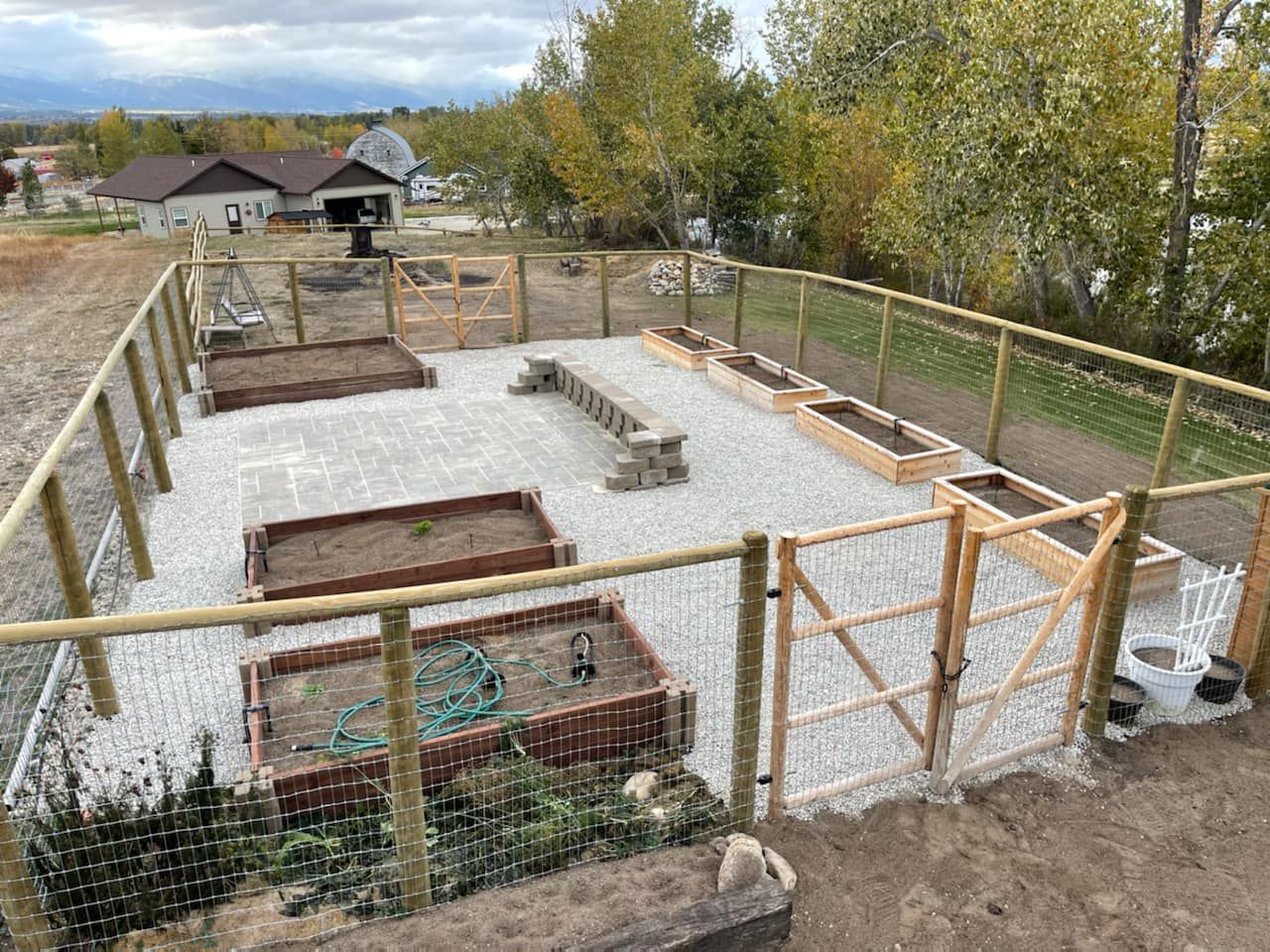
We can plan a gardening home setup for healthy plant growth by understanding our space, preparing the soil correctly, managing light and water, and choosing plants suited to local conditions. This topic matters to homeowners and beginners because thoughtful planning helps reduce common issues like poor growth, overcrowding, or wasted effort.
By focusing on fundamentals rather than outcomes, we can make informed decisions that support healthier plants and a more manageable home gardening experience, especially in regions like Hamilton, MT where climate and seasons play a significant role.
How Snow Accumulation Leads to Ice Buildup
Snow left on hard surfaces can undergo repeated melting and refreezing cycles, especially in Montana’s fluctuating winter temperatures. When daytime temperatures rise above freezing and nighttime temperatures drop, the surface moisture from snow can freeze into ice.
Surface Temperature and Ice Formation
Concrete, asphalt, and stone retain cold temperatures, which can accelerate ice formation. Even a thin layer of ice can create slick conditions that may not be immediately visible, highlighting the importance of timely snow management.
Compacted Snow and Ice Layers
Snow that is walked or driven on becomes compacted, which prevents it from melting evenly and encourages denser ice formation. Compacted layers also take longer to remove safely, increasing risks to anyone navigating the area.
Slip and Fall Risks on Untreated Surfaces
One of the primary hazards of delayed snow removal is the increased likelihood of slips and falls. According to national safety data, falls on ice are a leading cause of winter-related injuries.
Factors Contributing to Slips
- Uneven snow and ice accumulation creates unpredictable surfaces.
- Hidden ice patches, often under fresh snow, increase tripping hazards.
- Footwear or tires that are not designed for icy conditions can exacerbate the risk.
Vulnerable Populations
Elderly residents, children, and individuals with mobility challenges are more susceptible to falls. For property managers, this emphasizes the need for consistent snow management to maintain safe access for all users.
Property Damage From Prolonged Snow Exposure
Snow left on driveways, walkways, and surrounding property surfaces can contribute to physical deterioration over time.
Effects on Paved Surfaces
- Cracks in Concrete or Asphalt: Water from melting snow can seep into small cracks, and subsequent freezing can expand these cracks over time.
- Surface Erosion: Continuous freeze-thaw cycles can erode sealants and compromise the surface integrity of asphalt or concrete.
Impact on Landscaping and Structures
- Soil Saturation: Accumulated snow can compact soil, affecting grass and other plant health.
- Structural Strain: Extended snow contact with wooden decks or porches may lead to moisture-related wear.
Accessibility Challenges for Residents and Visitors
Uncleared snow can interfere with property accessibility in several ways.
Vehicle Access
- Snow-covered driveways make entering or exiting a property more challenging.
- Ice patches increase the risk of vehicles sliding or getting stuck, especially in sloped areas.
Pedestrian Access
- Sidewalks and walkways that are not cleared impede pedestrian mobility.
- Emergency access may be delayed if snow obstructs entrances or pathways, a concern for both residents and local safety services.
Environmental and Legal Considerations
Delayed snow removal may also involve environmental and regulatory considerations.
Environmental Factors
- Excessive use of chemical deicers can affect soil and nearby vegetation.
- Timely, moderate snow removal reduces the need for aggressive chemical application.
Local Regulations
- Many Montana municipalities recommend or require property owners to maintain clear walkways for public safety.
- Failure to manage snow promptly can create liability risks in the event of slip-and-fall incidents on your property.
Practical Approaches to Timely Snow Management
Regular Snow Clearing
- Removing snow shortly after accumulation prevents compaction and ice formation.
- Frequent clearing is more manageable than waiting for larger snow layers to accumulate.
Surface Treatment
- Sand or environmentally safe traction products can temporarily reduce slip risks on icy surfaces.
- Avoid over-reliance on chemical deicers, which can cause long-term surface damage or environmental impact.
Professional Services
- Property managers or homeowners may use local snow removal services to maintain consistent snow management.
- Scheduling routine snow clearing ensures that walkways, driveways, and entrances remain as accessible as possible throughout winter conditions.
Conclusion
Delaying snow removal from driveways and walkways can contribute to ice buildup, increased slip hazards, property surface deterioration, and reduced accessibility. Understanding these risks provides homeowners and property managers in Hamilton, Montana, with the context needed to make informed decisions regarding winter snow management.
Timely clearing and practical management techniques support safety and property maintenance, helping navigate the challenges of Montana winters without relying on assumptions or guarantees.
Book a Snow Removal Service
For clear guidance on maintaining safe, accessible, and well-managed property surfaces during winter, homeowners and property managers can consider professional snow removal services.
Two Brothers Lawn and Snow, LLC focuses on informed, practical management strategies tailored to local winter conditions.
Frequently Asked Questions
How quickly should snow be removed to prevent ice buildup?
Snow should ideally be cleared soon after accumulation to reduce compaction and prevent freezing cycles that form ice layers. Timing can vary depending on temperature and snowfall intensity.
Can small amounts of snow cause safety hazards?
Yes. Even a thin layer of snow can hide ice patches and create slip risks, particularly in high-traffic areas like walkways and driveways.
Are chemical deicers necessary for snow removal?
Not always. While chemical deicers can help with ice, they may harm surfaces or nearby vegetation. Mechanical snow removal and traction products are often sufficient when applied appropriately.
What surfaces are most affected by delayed snow removal?
Concrete, asphalt, wooden decks, and landscaped areas are particularly vulnerable to damage from repeated freeze-thaw cycles.
Does delayed snow removal have legal implications?
Property owners may be responsible for injuries occurring on uncleared walkways under local regulations. Timely snow management reduces potential liability.
Can professional snow removal services help prevent damage?
Professional services provide regular clearing and surface management, helping mitigate risks associated with ice formation, slips, and surface wear without promising specific outcomes.
How does snow removal affect accessibility?
Prompt snow removal ensures safer pedestrian and vehicle access, reducing obstacles for residents, visitors, and emergency services.