Hardscaping vs. Landscaping: What’s the Difference and Which Does Your Yard Need?
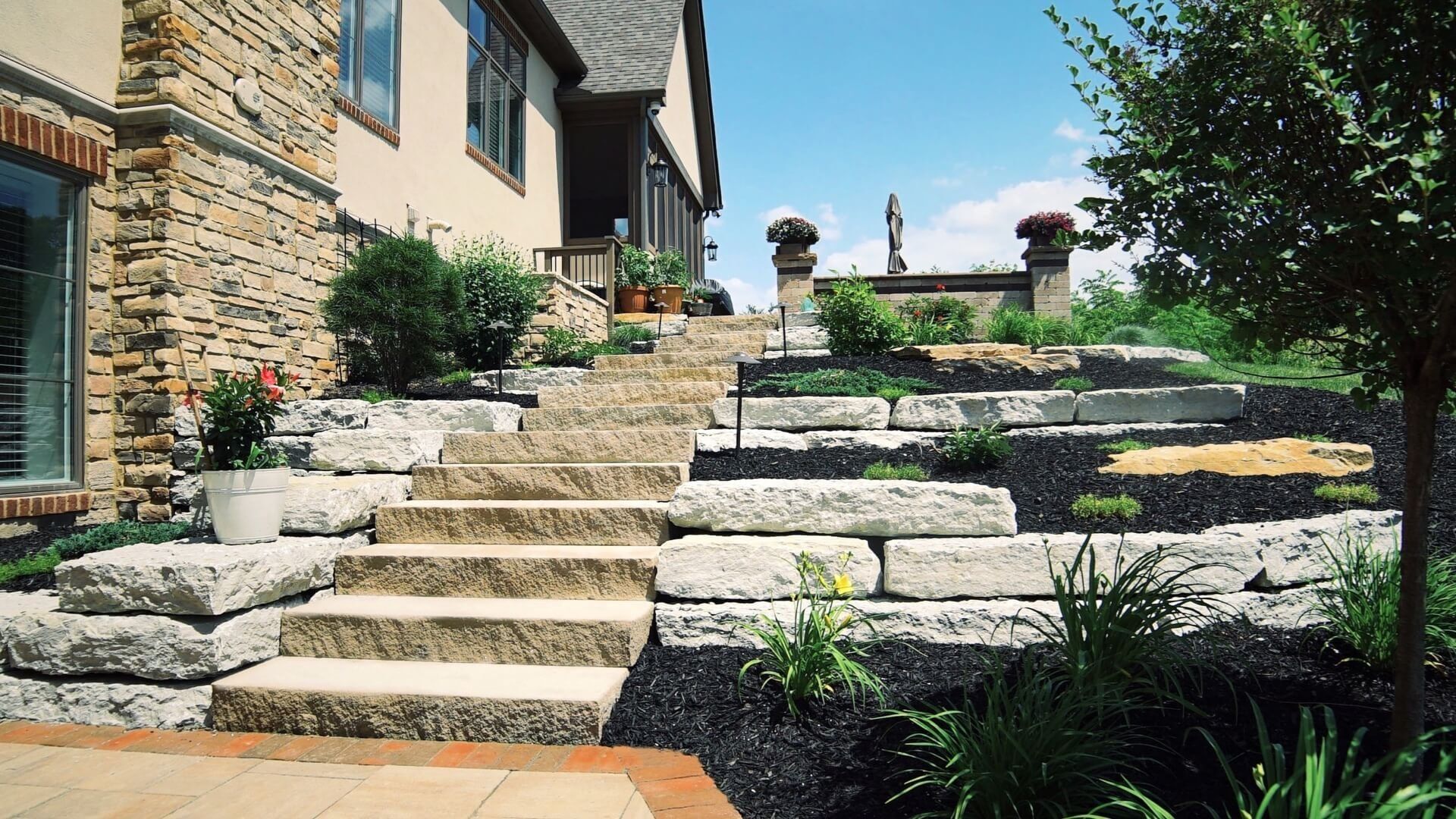
Table of Contents
- Introduction
- Hardscaping vs. Landscaping at a Glance
- What Is Hardscaping?
- Common Hardscaping Features
- Benefits of Hardscaping
- Drawbacks of Hardscaping
- What Is Landscaping?
- Common Landscaping Features
- Benefits of Landscaping
- Which Is Better, Hardscaping or Landscaping?
- Should You Install Hardscaping or Landscaping First?
- How Hardscaping and Landscaping Work Together
- Why Drainage Matters Before Adding Hardscape or Landscape
- How Much Maintenance Does Each Require?
- When Should You Choose Hardscaping?
- When Should You Focus on Landscaping?
- When You Need Both
- Why Professional Planning Matters
- Create a More Functional Outdoor Space
- Frequently Asked Questions
Key Takeaways
- Hardscaping refers to nonliving outdoor features such as patios, walkways, retaining walls, fire pits, pavers, and outdoor steps.
- Landscaping focuses on living elements, including lawns, trees, shrubs, flowers, gardens, and other plants.
- Hardscaping provides structure, functionality, access, and defined outdoor spaces, while landscaping adds greenery, shade, privacy, color, and natural character.
- Neither approach is universally better. The right choice depends on the property's layout, intended use, budget, maintenance preferences, and long-term goals.
- For many properties, combining hardscaping and landscaping creates the most functional and visually balanced outdoor environment.
Introduction
When planning an outdoor space, it helps to understand the difference between hardscaping and landscaping. Hardscaping includes the built, nonliving features of a yard, such as patios, walkways, retaining walls, pavers, fire pits, and outdoor steps. If you're considering these types of improvements, professional hardscaping services can help create durable, functional features that fit your property. Landscaping generally refers to living elements, including grass, trees, shrubs, flowers, gardens, and other plants.
The two are not competing approaches. In most well-designed yards, hardscaping and landscaping work together. Hardscape creates structure and usable space, while landscape adds color, shade, privacy, and natural character.
Hardscaping vs. Landscaping at a Glance
| Hardscaping | Landscaping |
|---|---|
| Patios and paver areas | Grass and lawns |
| Walkways and paths | Trees and shrubs |
| Retaining walls | Flowers and gardens |
| Outdoor steps | Ground cover |
| Fire pits | Plant beds |
| Stone features | Seasonal plants |
| Drainage structures | Natural vegetation |
A simple way to remember the difference is this:
Hardscaping = the structural, nonliving elements.
Landscaping = the living, planted elements.
A backyard patio surrounded by shrubs and flower beds is a good example of both working together.
What Is Hardscaping?
Hardscaping is the portion of an outdoor design made up of durable, nonliving materials. Common materials include natural stone, concrete, brick, pavers, gravel, and retaining-wall blocks.
Common hardscaping projects include:
- Patios
- Walkways
- Driveways
- Retaining walls
- Outdoor steps
- Fire pits
- Paver areas
- Seating walls
- Edging
- Drainage features
- Decorative stone
Hardscaping is often used to make a yard more functional. A patio can create an outdoor dining area, while a walkway can provide a defined route between different parts of the property.
Hardscape can also serve practical purposes. Properly designed retaining walls can help manage changes in elevation, while appropriate grading and drainage features can help direct water away from areas where it could cause problems.
For homeowners looking for ways to make a backyard more functional, features such as patios, fire pits, retaining walls, and pathways can serve both practical and aesthetic purposes. These hardscaping ideas can help illustrate how different features can be incorporated into an outdoor design.
Benefits of Hardscaping
Durability: Quality hardscape materials can provide years of service when properly designed, installed, and maintained.
Functionality: Patios, paths, steps, and other structures make outdoor areas easier to use.
Lower routine maintenance: A stone patio does not need mowing, watering, or pruning like a lawn or garden.
Erosion and drainage management: Certain hardscape features can help stabilize slopes and direct water when incorporated into a properly designed drainage plan.
Defined outdoor spaces: Hardscaping can separate areas for entertaining, walking, gardening, parking, and recreation.
What Are the Drawbacks of Hardscaping?
Hardscaping is not maintenance-free, and it requires more planning than simply adding a few decorative features.
Installation can require a significant upfront investment, particularly when excavation, grading, drainage, quality materials, and professional installation are involved.
Hardscape is also relatively permanent. Moving a patio or rebuilding a retaining wall is considerably more involved than replacing a flower bed. That makes proper planning especially important.
In areas that experience freezing temperatures and winter weather, material selection and installation methods matter. Poor drainage, inadequate base preparation, or improper installation can contribute to shifting, cracking, settlement, or other problems over time.
What Is Landscaping?
Landscaping focuses primarily on the living and planted elements of an outdoor space. This can include everything from a simple lawn and a few foundation shrubs to extensive garden beds, trees, and planted borders.
Examples of landscaping include:
- Lawn installation and care
- Planting trees
- Shrub installation
- Flower beds
- Garden areas
- Mulching
- Ground cover
- Seasonal plantings
- Decorative planting beds
Landscaping changes over time. Plants grow, bloom, change color, go dormant, and require ongoing care.
That changing nature is one of the biggest differences between landscaping and hardscaping.
For homeowners planning a broader outdoor project, landscaping services can incorporate plants, outdoor living areas, and hardscape features into a cohesive design.
Benefits of Landscaping
Visual appeal: Plants add color, texture, movement, and seasonal interest.
Shade and privacy: Strategically placed trees and shrubs can provide shade and create natural screening.
Environmental value: Plants can provide habitat for wildlife and contribute to a healthier outdoor environment.
Flexibility: Plantings can be changed or replaced more easily than permanent structures.
Softness: Landscaping helps soften large expanses of concrete, stone, or other hard materials.
Which Is Better, Hardscaping or Landscaping?
There is no universal winner because they solve different problems.
If your main goal is to create usable outdoor space, hardscaping may be the priority. A patio, walkway, retaining wall, or outdoor seating area can give your yard a defined function.
If your goal is to add greenery, shade, privacy, or seasonal color, landscaping may be more important.
For many properties, the best solution is a combination of both.
For example, a homeowner might install a paver patio and then surround it with shrubs, ornamental grasses, trees, and perennial flowers. The hardscape establishes the structure, while the landscaping makes the area feel natural and inviting.
Should You Install Hardscaping or Landscaping First?
In many projects, it makes sense to plan and install the major hardscape features first.
Patios, retaining walls, walkways, grading, drainage, and other structural elements can affect where plants can be placed and how water moves across the property.
A typical project may follow this general sequence:
- Evaluate the property and determine how the space will be used.
- Plan grading and drainage where necessary.
- Establish the location of patios, paths, walls, and other hardscape features.
- Complete the major hardscaping work.
- Prepare planting areas.
- Install trees, shrubs, flowers, grass, and other landscape elements.
- Add finishing touches such as mulch and landscape lighting.
The exact sequence depends on the property and the scope of the project.
How Hardscaping and Landscaping Work Together
The strongest outdoor designs usually do not treat hardscaping and landscaping as separate projects.
Instead, think of them as two layers of the same design.
A patio provides a foundation for outdoor entertaining. Plants around the patio can soften its edges.
A retaining wall can address a change in elevation. Plantings can make the wall blend more naturally into the surrounding yard.
A walkway provides a practical route through the property. Trees, shrubs, or garden beds can define the path and make it more visually appealing.
This combination creates an outdoor space that is both functional and inviting.
Consider Drainage Before Adding Hardscape or Landscape
Drainage deserves attention before major outdoor improvements begin.
Adding a patio, retaining wall, planting bed, or other feature can change how water moves across a property. If water is already pooling in the yard, simply covering an area with pavers or adding soil and plants may not address the underlying issue.
A professional evaluation can help determine whether grading, drainage improvements, soil preparation, or another solution should be addressed before the finished landscape is installed.
For a deeper look at how drainage fits into an outdoor design, see this guide to landscaping and drainage.
This is especially important in climates with significant seasonal changes, where repeated freezing and thawing can place additional stress on outdoor surfaces and drainage systems.
How Much Maintenance Does Each Require?
Hardscaping generally requires less routine maintenance than landscaping, but it is not completely maintenance-free.
Hardscape may need periodic cleaning, joint maintenance, weed removal, repairs, or adjustments if materials settle or shift.
Landscaping typically requires more ongoing care. Depending on the plants and design, this can include mowing, pruning, watering, fertilizing, mulching, weed control, seasonal cleanup, and replacement of plants that do not thrive.
A good outdoor design considers both the appearance of the finished project and the amount of maintenance the homeowner is willing to perform.
When Should You Choose Hardscaping?
Hardscaping may be a good fit if you want to:
- Create an outdoor entertaining area
- Improve access around your property
- Define different areas of your yard
- Address certain elevation or erosion concerns
- Create durable walkways or gathering spaces
- Reduce the amount of lawn that requires regular mowing
When Should You Focus on Landscaping?
Landscaping may be the priority if you want to:
- Add privacy
- Increase shade
- Introduce more greenery
- Create flower or garden beds
- Improve curb appeal
- Add seasonal color
- Make an existing patio or walkway feel softer and more natural
When You Need Both
For many homeowners, the answer is not hardscaping or landscaping. It is hardscaping and landscaping.
The right combination depends on your property's layout, drainage, existing vegetation, desired use, budget, maintenance preferences, and long-term goals.
A thoughtful design might include a durable patio, a defined walkway, strategically placed trees, low-maintenance shrubs, and planting beds around the perimeter. Each component has a purpose, and together they create a more complete outdoor environment.
Why Professional Planning Matters
Outdoor improvements are easier to get right when the design considers the entire property rather than treating every feature as a separate addition.
At Two Brothers Lawn and Snow, LLC, proper planning can help ensure that the finished space fits your property and how you intend to use it. Soil conditions, drainage, existing grades, sun exposure, plant selection, available space, and the materials used can all influence the final design.
Create a More Functional Outdoor Space
Hardscaping and landscaping serve different purposes, but they work best when they are considered together.
Hardscaping provides structure, access, and usable outdoor space. Landscaping provides living color, texture, shade, privacy, and seasonal interest.
The right combination can turn an ordinary yard into an outdoor space that is easier to use, easier to maintain, and better suited to your property.
If you're considering a new patio, walkway, retaining wall, planting project, or a larger outdoor renovation, contact Two Brothers Lawn and Snow, LLC at 406-369-4114 or support@twobrotherslawnandsnow.com to discuss your project.
Frequently Asked Questions
Is hardscaping part of landscaping?
Yes. Hardscaping is commonly considered a component of landscape design. Landscaping is the broader concept of designing and maintaining an outdoor environment, while hardscaping specifically refers to its nonliving structural elements.
Is hardscaping more expensive than landscaping?
The cost depends on the size, materials, site conditions, and complexity of the project. Hardscaping can have a higher upfront installation cost because it may involve excavation, base preparation, materials, grading, and skilled installation. Landscaping costs also vary considerably depending on the plants, lawn work, soil preparation, and maintenance required.
Which lasts longer, hardscaping or landscaping?
Hardscaping is generally designed to be long-lasting, while landscaping is living and continually changes. Plants grow and may eventually need pruning, replacement, or redesign. Properly installed hardscape can remain in place for many years, although it can still require maintenance and repairs.
Can hardscaping help with drainage?
Yes, certain hardscaping and grading solutions can help direct or manage water. However, hardscape can also create drainage problems if it is improperly designed or installed. Drainage should therefore be considered before adding major patios, walkways, retaining walls, or other structures.
Should I install hardscaping or landscaping first?
For many projects, major hardscaping and site work are completed before final landscaping. This can prevent heavy construction activity from damaging newly installed plants. The appropriate sequence depends on the project.
Does hardscaping require maintenance?
Yes. Hardscaping typically requires less routine maintenance than a lawn or garden, but patios, pavers, retaining walls, and other features can still need cleaning, repairs, joint maintenance, or adjustments over time.
Can I combine hardscaping and landscaping?
Absolutely. Combining the two is often the best way to create a functional and attractive outdoor space. Hardscaping establishes structure and usable areas, while landscaping adds greenery, shade, privacy, color, and natural character.