Essential Tips for Pruning Overgrown Shrubs and Restoring Garden Beauty
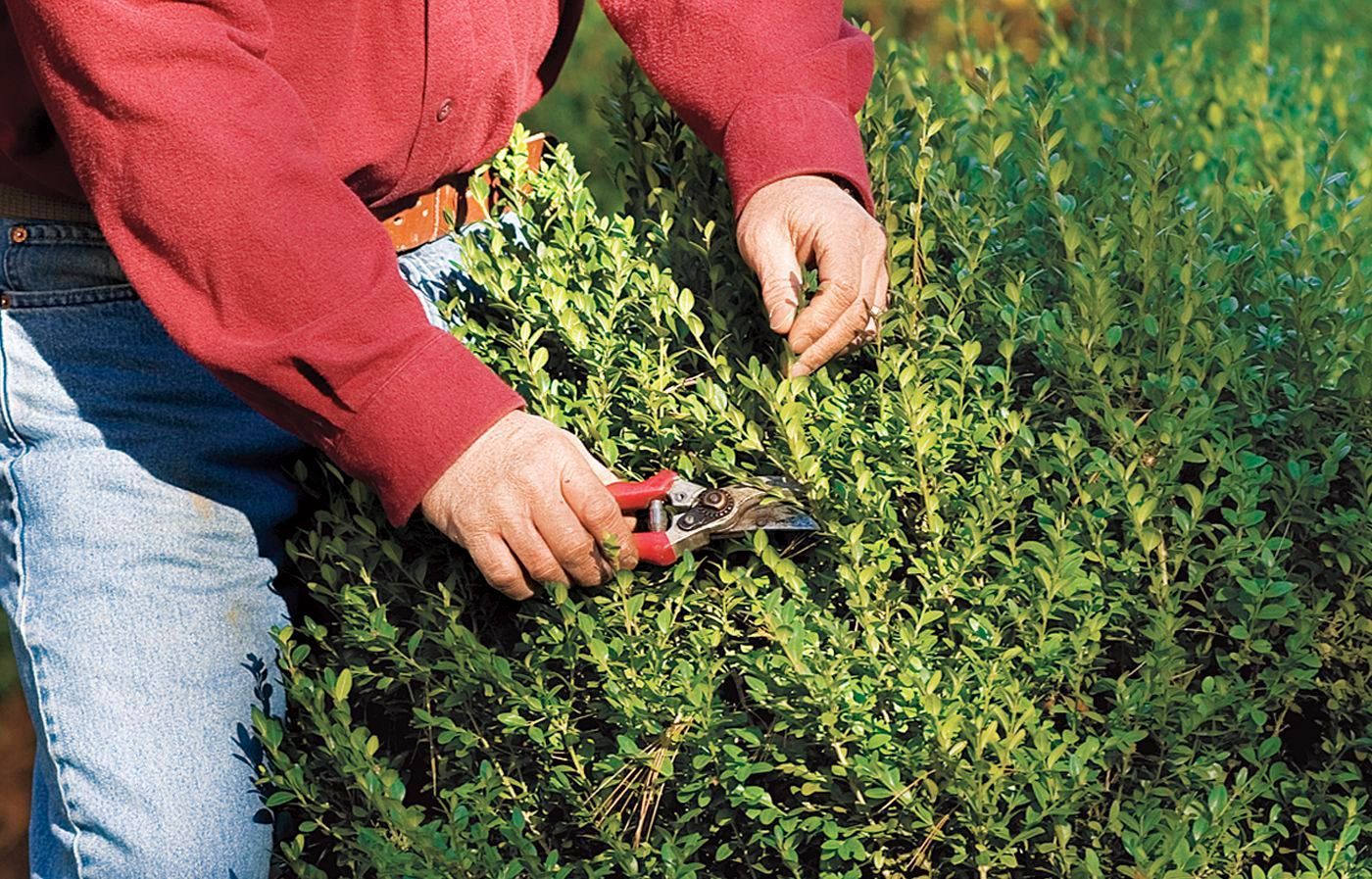
Table of Contents
- Introduction
- Why Should You Prune Overgrown Shrubs?
- Remove Dead or Damaged Growth
- Improve Airflow and Light
- Maintain Size and Shape
- Encourage Better Flowering
- When Is the Best Time to Prune Shrubs?
- Spring-Flowering Shrubs
- Summer-Flowering Shrubs
- Evergreen Shrubs
- What Tools Do You Need for Pruning?
- Hand Pruners
- Loppers
- Pruning Saw
- Hedge Shears
- Gloves and Eye Protection
- How to Prune an Overgrown Shrub
- Identify the Shrub
- Inspect the Entire Plant
- Remove Dead, Broken, and Diseased Branches
- Remove Crossing and Rubbing Branches
- Thin Dense Areas Selectively
- Reduce Size Gradually
- Step Back and Reassess
- How Much Can You Prune at Once?
- What Is Renovation Pruning?
- Common Pruning Mistakes to Avoid
- Pruning at the Wrong Time
- Shearing Every Shrub
- Making Flush Cuts
- Leaving Long Stubs
- Using Dull or Dirty Tools
- Removing Too Much at Once
- What Should You Do After Pruning?
- How to Prevent Shrubs From Becoming Overgrown
- When Should You Call a Professional?
- Restore Overgrown Shrubs With the Right Pruning Approach
- Frequently Asked Questions
Key Takeaways
- Identify the shrub before making major cuts because pruning timing and techniques vary by species and flowering cycle.
- Start by removing dead, damaged, diseased, crossing, and rubbing branches before reducing healthy growth.
- Pruning at the right time helps protect flower buds and encourages healthier growth, particularly for flowering shrubs.
- Use the appropriate clean, sharp pruning tool for the size and type of branch being removed.
- Selective pruning is generally preferable to repeatedly shearing the outer surface of individual shrubs.
- Severely overgrown shrubs may require gradual reduction or renovation pruning rather than aggressive trimming in a single session.
Introduction
Overgrown shrubs can make an otherwise well-maintained landscape look crowded, block walkways and windows, and compete with nearby plants for light and space. Proper pruning can restore a shrub's shape, remove damaged growth, and encourage healthier development. For homeowners who need help managing established or heavily overgrown plants, professional landscaping services can provide ongoing care and help keep the landscape manageable.
Pruning is not simply a matter of cutting a shrub back as far as possible. The right approach depends on the shrub species, its natural growth habit, when it flowers, how severely it has been neglected, and which branches need to be removed.
Why Should You Prune Overgrown Shrubs?
Pruning has several purposes beyond making a shrub look neater.
Remove Dead or Damaged Growth
Dead, broken, or damaged branches can detract from the plant's appearance and may provide opportunities for pests or disease.
Removing them allows the shrub to put resources toward healthy growth and improves the overall structure of the plant.
Improve Airflow and Light
Dense growth can reduce air movement through the center of a shrub and prevent sunlight from reaching interior branches.
Selective thinning can improve airflow and light penetration without turning the plant into an unnaturally open shape.
Maintain Size and Shape
Shrubs that grow into walkways, windows, driveways, entrances, or neighboring plants may need pruning to remain within their intended space.
The goal should be to maintain the plant's natural form whenever possible rather than repeatedly shearing it into an artificial shape.
Encourage Better Flowering
Pruning can improve flowering when it is done at the appropriate time.
The important question is when the shrub produces its flower buds. Some shrubs flower on older growth from the previous season, while others produce flowers on new growth.
Pruning at the wrong time can remove flower buds and reduce blooming for that season.
When Is the Best Time to Prune Shrubs?
There is no single pruning season that works for every shrub.
The correct timing depends on the species and its flowering and growth cycle.
Spring-Flowering Shrubs
Many shrubs that bloom in spring develop their flower buds on older wood. These plants are often best pruned shortly after flowering rather than heavily pruning them during late winter.
Pruning too early can remove the buds that would have produced flowers.
Summer-Flowering Shrubs
Many shrubs that bloom later in the growing season produce flowers on new growth. These plants are often pruned during late winter or early spring while they are dormant.
However, the exact timing still depends on the species.
Evergreen Shrubs
Evergreen shrubs vary widely in growth habit and pruning tolerance. Light maintenance pruning may be appropriate at different times depending on the plant, while significant cuts require more care.
When in doubt, identify the shrub before making major pruning cuts.
What Tools Do You Need for Pruning?
Using the right tool helps produce cleaner cuts and reduces unnecessary damage.
Hand Pruners
Hand pruners are useful for small branches and stems that can be cut comfortably without excessive force.
Loppers
Loppers provide additional leverage for larger branches that are too thick for ordinary hand pruners.
Pruning Saw
A pruning saw is appropriate for larger branches that cannot be safely or cleanly cut with pruners or loppers.
Hedge Shears
Hedge shears are useful when maintaining formal hedges or shrubs that are intentionally managed as uniform shapes. They are not always the best choice for overgrown shrubs that need structural pruning.
Gloves and Eye Protection
Gloves can protect your hands from thorns and rough branches, while eye protection can help shield your eyes from falling debris.
Keep pruning tools clean and sharp. Dull tools can crush or tear plant tissue instead of making clean cuts.
How to Prune an Overgrown Shrub
If a shrub has become noticeably overgrown, resist the temptation to start cutting randomly around the outside.
Use a systematic approach instead.
1. Identify the Shrub
Before making major cuts, determine what type of shrub you are dealing with.
Look at its:
- Flowering season
- Growth habit
- Mature size
- Branch structure
- Evergreen or deciduous characteristics
This information can determine when and how aggressively the plant should be pruned.
2. Inspect the Entire Plant
Stand back and examine the shrub from several angles.
Look for:
- Dead branches
- Broken branches
- Diseased growth
- Crossing branches
- Rubbing branches
- Weak or crowded stems
- Suckers
- Growth blocking paths or structures
Decide what needs to be removed before you start cutting.
3. Remove Dead, Broken, and Diseased Branches
Start with obvious problem growth.
Remove damaged branches back to healthy wood. When removing a branch from a larger stem, make the cut just outside the branch collar rather than leaving a long stub or cutting flush against the main stem.
If you suspect a disease problem, clean your tools between cuts or between affected plants to reduce the risk of spreading pathogens.
4. Remove Crossing and Rubbing Branches
Branches that repeatedly rub against each other can become damaged over time.
Select the weaker, less desirable, or poorly positioned branch and remove it while preserving the shrub's overall structure.
5. Thin Dense Areas Selectively
Once damaged and poorly positioned growth has been removed, look at areas that are excessively crowded.
Selective thinning can improve light penetration and airflow without creating large gaps.
Do not assume every shrub needs an open center. The plant's natural growth habit should guide the pruning strategy.
6. Reduce Size Gradually
If the shrub is significantly larger than its intended space, avoid automatically shearing everything down to a uniform height.
Instead, identify longer branches and reduce them selectively to appropriate lateral branches or other suitable growth points.
For severely overgrown shrubs, restoring the desired size may require more than one pruning session.
7. Step Back and Reassess
Pruning is easier to overdo when you stay focused on one branch at a time.
After each round of cuts, step away from the shrub and evaluate its overall structure.
Look for a balanced appearance while preserving the plant's natural form.
How Much Can You Prune at Once?
The amount that can safely be removed depends on the shrub and the type of pruning being performed.
For routine maintenance, taking a conservative approach is generally safer than removing large amounts of healthy growth at once.
The commonly used one-third guideline can be useful as a general rule for many shrubs, but it is not a universal limit. Some plants tolerate more aggressive renovation, while others respond poorly to heavy pruning.
If a shrub is severely overgrown, determine whether it is suitable for renovation pruning before removing a large portion of the plant.
What Is Renovation Pruning?
Renovation pruning is used to restore older or severely overgrown shrubs by removing some of the oldest or least productive stems and encouraging new growth.
It is different from simply trimming the outer surface of a shrub.
Depending on the species, renovation may involve removing selected old stems close to the base and allowing younger stems to develop.
Some shrubs respond well to this approach. Others may not recover well from severe cuts.
That is why identifying the plant first is particularly important when dealing with a shrub that has been neglected for years.
Common Pruning Mistakes to Avoid
Pruning at the Wrong Time
The most common timing mistake is treating every shrub the same.
Pruning a spring-flowering shrub before it blooms can remove flower buds, while waiting too long to prune a shrub that flowers on new growth may interfere with its intended growth cycle.
Shearing Every Shrub
Repeatedly cutting only the outer layer can create a dense shell of foliage while leaving the interior woody and sparse.
Formal hedges may be maintained this way, but many individual shrubs benefit more from selective pruning.
Making Flush Cuts
Cutting directly against the trunk or main stem can damage the branch collar and interfere with the plant's natural wound response.
Make appropriate cuts just outside the branch collar when removing larger branches.
Leaving Long Stubs
Long stubs can die back and become entry points for pests or disease. Make the appropriate reduction cut rather than leaving unnecessary branch sections behind.
Using Dull or Dirty Tools
Dull tools can damage branches. Dirty tools can potentially spread plant pathogens.
Clean and sharpen equipment regularly.
Removing Too Much at Once
Severely cutting back a shrub without knowing how it responds to hard pruning can create unnecessary stress or permanently damage its appearance.
When a shrub is badly overgrown, gradual renovation may be a better option.
What Should You Do After Pruning?
Pruning is only one part of landscape maintenance.
After pruning, monitor the plant for signs of stress, disease, or excessive drying.
Water according to the plant's needs and local weather conditions rather than automatically increasing irrigation.
Mulch can help moderate soil moisture and temperature, but keep mulch away from direct contact with the base of the shrub.
Fertilizer is not automatically necessary after pruning. If a plant shows signs of nutrient deficiency or poor growth, determine the underlying cause before applying fertilizer.
For broader landscape maintenance, seasonal care and regular landscape maintenance services can help prevent shrubs, planting beds, and other areas from becoming difficult to manage.
How to Prevent Shrubs From Becoming Overgrown
The easiest overgrown shrub to manage is the one that does not become severely overgrown in the first place.
Regular maintenance can help you:
- Remove dead growth before it accumulates
- Maintain appropriate size
- Monitor disease or pest problems
- Keep walkways and entrances clear
- Prevent shrubs from crowding neighboring plants
- Preserve the natural shape of mature plants
It is also worth considering mature plant size when choosing shrubs in the first place. A plant that naturally grows eight feet wide may become a constant maintenance problem if it is installed in a four-foot space.
When Should You Call a Professional?
Pruning smaller shrubs is often a manageable homeowner task, but professional assistance can make sense when:
- Shrubs have become severely overgrown
- Large branches need to be removed
- Plants are close to buildings or utility lines
- You cannot identify the shrub
- You suspect disease
- The plant has been neglected for several years
- Several large shrubs need renovation
- The work requires climbing or specialized equipment
Large branches can be hazardous, particularly when they are near structures, electrical lines, vehicles, or areas where people regularly walk.
Restore Overgrown Shrubs With the Right Pruning Approach
Pruning overgrown shrubs is about more than cutting away excess growth. The timing, location, amount, and purpose of each cut can affect how the plant responds.
Start by identifying the shrub, remove dead and damaged growth, correct structural problems, and make selective reductions based on the plant's natural growth habit. When a shrub is severely overgrown or difficult to identify, professional assessment can help prevent unnecessary damage.
If your landscape needs help with shrub pruning, planting beds, lawn care, or ongoing maintenance, contact Two Brothers Lawn and Snow, LLC at 406-369-4114 or support@twobrotherslawnandsnow.com to discuss your property.
Frequently Asked Questions
How often should shrubs be pruned?
It depends on the shrub species, growth rate, intended size, and landscape design. Some shrubs need only occasional maintenance, while fast-growing plants or formal hedges may need more frequent attention.
Should you prune a shrub from the top or bottom?
It depends on the objective. Structural pruning generally starts by removing dead, damaged, crossing, or poorly positioned branches throughout the plant. Simply cutting the top or outer surface can encourage dense growth on the exterior without correcting the underlying structure.
Should you cut dead branches off shrubs?
Generally, yes. Removing dead or broken branches can improve the shrub's appearance and structure. If disease is suspected, the affected material should be handled carefully and pruning tools should be cleaned between cuts.
Can overgrown shrubs be saved?
Many overgrown shrubs can be restored, but the best approach depends on the species, age, health, and severity of the overgrowth. Some respond well to renovation pruning, while others may be better replaced if they cannot be restored effectively.
Is it better to prune shrubs gradually?
Often, yes. For severely overgrown shrubs that do not tolerate heavy pruning well, gradual reduction over multiple seasons can be safer than removing a large percentage of the plant at once.