
When Is the Best Time to Fertilize Your Lawn for Maximum Growth?
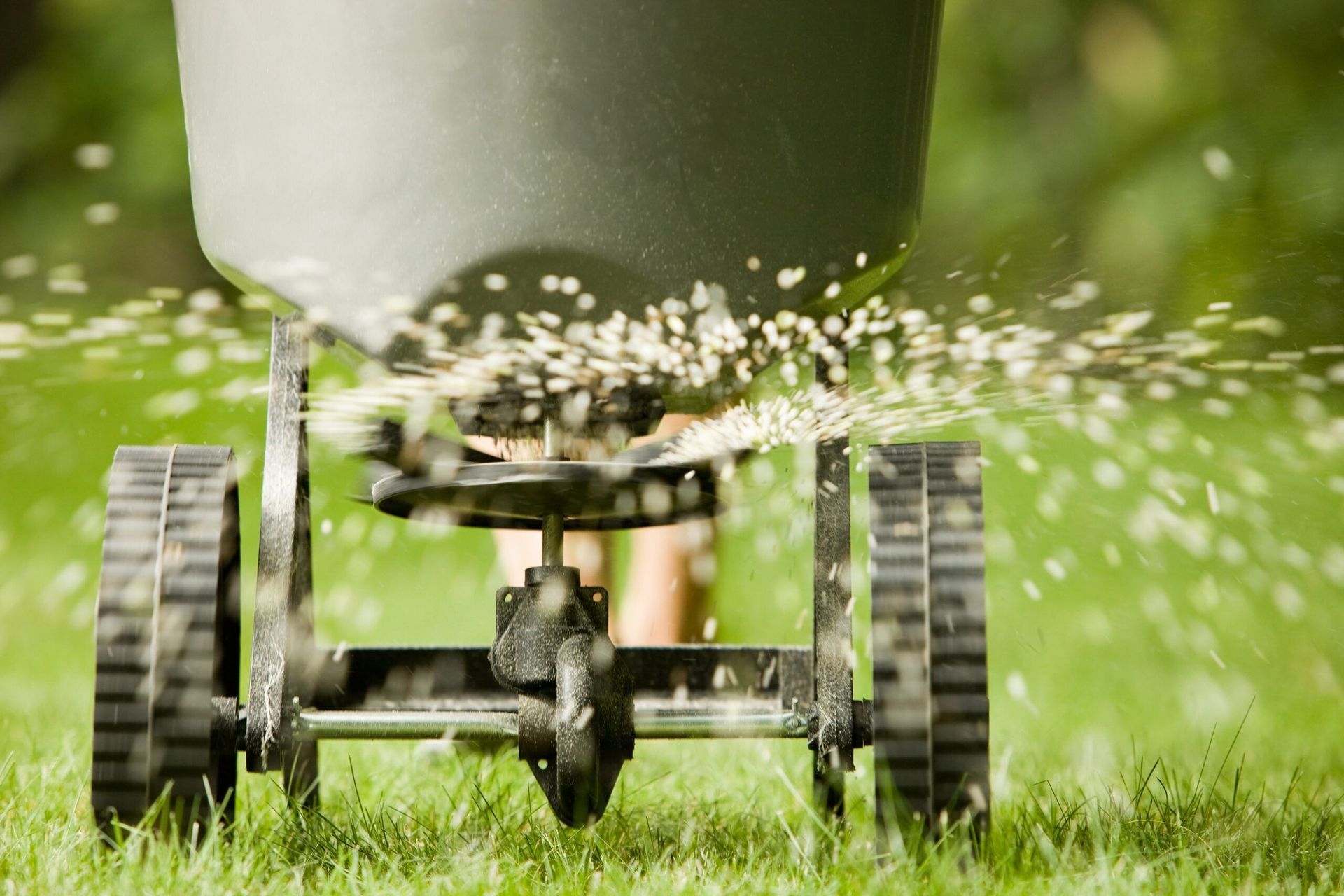
Table of Contents
- Introduction
- Understanding Lawn Fertilization
- Why Does Your Lawn Need Fertilizer?
- When Is the Best Time to Fertilize a Lawn?
- Is It Better to Fertilize Before or After Rain?
- Should You Fertilize Before Rain?
- Should You Fertilize After Rain?
- How Does Fertilization Timing Change by Season?
- What Type of Fertilizer Should You Use?
- How Much Fertilizer Should You Apply?
- What Lawn Conditions Should You Check Before Fertilizing?
- Common Lawn Fertilization Mistakes to Avoid
- How Aeration Can Improve Nutrient Absorption
- When Should You Consider Professional Lawn Fertilization?
- Conclusion
- Book Lawn Care Services
- Frequently Asked Questions
Key Takeaways
- The best time to fertilize is generally during periods of active grass growth.
- Light rain after a fertilizer application can help move nutrients into the soil, but heavy rainfall can increase runoff.
- Avoid fertilizing waterlogged or excessively dry soil.
- Seasonal fertilizer applications should account for grass growth, temperature, moisture, and local conditions.
- Soil testing can help determine which nutrients your lawn actually needs.
- Over-fertilizing can damage grass and create unnecessary nutrient runoff.
- Aeration can improve the movement of water and nutrients into compacted soil.
- A consistent lawn care program is often more effective than relying on a single fertilizer application.
Introduction
The best time to fertilize your lawn is when the grass is actively growing and soil conditions are suitable, with proper lawn fertilization helping provide the nutrients your grass needs for healthy, consistent growth.
For homeowners in Hamilton, Darby, Corvallis, Victor, Stevensville, and surrounding Montana communities, timing matters because seasonal temperature changes can significantly affect how grass uses nutrients. Fertilizing at the wrong time can waste product, encourage excessive growth, or stress the lawn, while applying the right fertilizer under suitable conditions can support stronger roots and healthier turf.
This guide explains when to fertilize, whether you should fertilize before or after rain, how seasonal timing affects applications, and what homeowners should consider before putting fertilizer on their lawns.
Understanding Lawn Fertilization
Fertilization provides grass with nutrients that may be limited in the soil. While healthy soil can supply some of what turf needs naturally, regular lawn use, mowing, weather, and nutrient depletion can affect soil fertility over time.
The three primary nutrients commonly associated with fertilizer are nitrogen, phosphorus, and potassium.
What Does Nitrogen Do for Grass?
Nitrogen supports leaf and blade growth and is largely responsible for the rich green appearance associated with healthy turf.
Too little nitrogen can result in pale or thin grass. However, applying too much can encourage excessive top growth and create additional mowing demands while potentially stressing the lawn.
What Does Phosphorus Do?
Phosphorus supports root development and other important plant processes. Whether additional phosphorus is appropriate depends on the existing nutrient levels in the soil.
A soil test can help determine whether phosphorus is actually needed rather than relying on a general-purpose application.
What Does Potassium Do?
Potassium contributes to overall plant strength and helps grass tolerate environmental stresses. It is one component of a balanced fertilization program, but the appropriate amount depends on the lawn and soil conditions.
Why Does Your Lawn Need Fertilizer?
Grass continually uses nutrients as it grows. Mowing removes portions of the grass blades, while rainfall and irrigation can move nutrients through the soil.
Fertilization can help replenish nutrients when the soil does not provide enough for healthy growth.
However, fertilizer should not be viewed as a substitute for the rest of your lawn care routine. Healthy turf also depends on proper mowing, watering, soil conditions, sunlight, drainage, and appropriate seasonal maintenance.
Two Brothers Lawn and Snow's lawn care services include fertilization along with other practices that support healthy turf.
When Is the Best Time to Fertilize a Lawn?
The best time to fertilize depends on the type of grass, current growth conditions, soil temperature, moisture, and the fertilizer being used.
Rather than following a calendar date alone, look for signs that the grass is actively growing and capable of using the nutrients.
For Montana lawns, seasonal changes are particularly important. Cool-season grasses generally respond to fertilization during their active growth periods, while excessive fertilizer during periods of heat or dormancy may provide little benefit.
A practical approach is to consider:
- Grass growth and condition
- Soil temperature
- Recent rainfall
- Soil moisture
- Weather forecast
- Fertilizer formulation
- Results of a soil test
- The specific grass species on your property
Is It Better to Fertilize Before or After Rain?
In many situations, fertilizing before a light, predictable rainfall can be beneficial, because moisture can help move nutrients from the fertilizer into the soil.
However, heavy rain immediately after fertilization can wash nutrients away before they are absorbed effectively. For that reason, the goal is not simply to fertilize whenever rain is expected.
Instead, look for moderate soil moisture and a forecast that does not call for significant rainfall immediately after application.
Should You Fertilize Before Rain?
Applying fertilizer before a light rain can work well when the timing is predictable.
Rain can help dissolve granular fertilizer and move nutrients into the soil where grass roots can access them. It can also reduce the need for additional irrigation immediately after application.
However, avoid applying fertilizer when a major storm or prolonged period of heavy rain is expected. Excessive rainfall can increase runoff and reduce the amount of fertilizer that remains available to the lawn.
Should You Fertilize After Rain?
Fertilizing after rain can also be effective, provided the lawn is not saturated.
If the soil is already adequately moist and has had time to drain, fertilizer can be applied according to the product's instructions. Waiting until the surface is no longer excessively wet can also make application easier and reduce the likelihood of uneven distribution.
The key is to avoid extremes. Waterlogged soil is not an ideal condition for routine fertilizer application, but completely dry, stressed grass may not be either.
How Does Fertilization Timing Change by Season?
Seasonal timing plays an important role in lawn fertilization because grass growth changes throughout the year.
Spring Fertilization
Spring is when many lawns begin coming out of winter dormancy and entering active growth.
A spring application may support new growth, but timing matters. Applying large amounts of fertilizer too early can encourage growth before the lawn is ready to use the nutrients efficiently.
Instead, monitor the lawn and soil conditions and follow the recommendations for your specific grass type and fertilizer.
Summer Fertilization
Summer requires more caution.
During periods of intense heat or drought stress, grass may slow its growth. Heavy fertilizer applications during these conditions can place additional stress on the turf.
If fertilization is appropriate during summer, consider the lawn's condition, available moisture, temperatures, and the fertilizer's instructions before applying it.
Fall Fertilization
Fall can be an important period for cool-season lawns because grass may continue active root growth as air temperatures become more moderate.
A properly timed fall application can help provide nutrients during this period of growth. It can also be part of preparing the lawn to enter winter in good condition.
Because Montana experiences substantial seasonal changes, a lawn care schedule should be adjusted to local conditions rather than following a generic national calendar.
Winter Fertilization
During winter dormancy, grass generally has limited ability to use fertilizer.
Applying fertilizer when the lawn is not actively growing can provide little benefit and may increase the risk of nutrient movement away from the area where it is needed.
The better approach is to plan fertilization around the lawn's active growing periods.
What Type of Fertilizer Should You Use?
Not every lawn requires the same fertilizer.
Fertilizers can differ in nutrient ratios, release rates, formulations, and application requirements. Some products release nutrients relatively quickly, while slow-release formulas provide nutrients over a longer period.
Before choosing a product, consider:
- Grass type
- Soil nutrient levels
- Lawn condition
- Time of year
- Application area
- Product instructions
- Local environmental considerations
A soil test can be particularly useful because it provides information about nutrient levels and can prevent unnecessary applications.
How Much Fertilizer Should You Apply?
More fertilizer does not necessarily mean a healthier lawn.
Over-application can cause problems such as excessive growth, fertilizer burn, nutrient runoff, and unnecessary environmental impacts. Under-application, on the other hand, may fail to provide enough nutrients to address an actual deficiency.
Always follow the fertilizer manufacturer's recommended application rate.
Using a properly calibrated spreader can also help distribute granular fertilizer more evenly across the lawn.
Avoid applying fertilizer by simply estimating how much the lawn needs. Consistent application rates are important for both lawn health and responsible nutrient management.
What Lawn Conditions Should You Check Before Fertilizing?
Before applying fertilizer, take a few minutes to evaluate the lawn and the weather.
Check Soil Moisture
The soil should have sufficient moisture for normal grass growth but should not be saturated.
Check the Forecast
Look for a suitable weather window. Light rainfall can help with nutrient movement, while heavy rain may increase runoff.
Check Grass Activity
If the grass is dormant or severely stressed, fertilization may not provide the expected benefit.
Check for Existing Lawn Problems
Yellowing, thinning, bare spots, weeds, and poor growth do not always mean your lawn needs fertilizer.
Problems may also result from:
- Compacted soil
- Poor drainage
- Insufficient sunlight
- Improper mowing
- Inadequate irrigation
- Disease
- Pest activity
- Incorrect soil pH
Identifying the underlying problem before fertilizing can prevent unnecessary applications.
What Are the Most Common Lawn Fertilization Mistakes?
Fertilizing Without Testing the Soil
A soil test can provide useful information about nutrient levels and help determine whether additional fertilizer is necessary.
Applying Too Much Fertilizer
Excess fertilizer can damage turf and contribute to runoff. Always follow the product's application instructions.
Fertilizing During Extreme Heat
Grass experiencing significant heat or drought stress may not respond well to heavy fertilization.
Ignoring Rainfall
Heavy rain immediately after application can move nutrients away from the intended area.
Using the Same Schedule Every Year
Weather and lawn conditions change. A fertilization schedule should be flexible enough to account for those differences.
Neglecting the Rest of the Lawn
Fertilization works best as part of a broader lawn care strategy. Mowing, irrigation, aeration, weed management, and seasonal cleanup all contribute to turf health.
How Can Aeration Improve Nutrient Absorption?
Compacted soil can make it more difficult for water, air, and nutrients to move through the soil and reach grass roots.
Aeration creates openings in compacted soil, improving airflow and allowing water and nutrients to penetrate more effectively.
Two Brothers Lawn and Snow provides aeration services designed to improve soil conditions and support healthier turf.
Aeration can therefore complement fertilization rather than replacing it. When both practices are appropriately timed, they can form part of a more complete lawn maintenance strategy.
When Should You Consider Professional Lawn Fertilization?
Professional lawn care can be useful when you are unsure what your lawn needs, have difficulty maintaining a consistent schedule, or want a more comprehensive approach to turf maintenance.
A professional can evaluate factors such as:
- Lawn condition
- Soil characteristics
- Seasonal growth
- Fertilizer requirements
- Compaction
- Irrigation
- Weed pressure
- Overall maintenance needs
Two Brothers Lawn and Snow provides lawn care services in Hamilton and surrounding communities, including Darby, Corvallis, Victor, and Stevensville. Its current lawn care offerings include fertilization, aeration, weed control, mowing, and other maintenance services.
Conclusion
So, when is the best time to fertilize your lawn? The ideal time is during active grass growth when soil moisture and weather conditions are suitable, rather than simply choosing a fixed date on the calendar. Light rain can help incorporate fertilizer into the soil, but heavy rainfall, saturated soil, extreme heat, or dormant grass can make an application less effective.
A successful fertilization program should consider your grass type, soil conditions, seasonal growth patterns, rainfall, and the specific fertilizer being used. Regular lawn maintenance also matters because fertilization works best when combined with practices such as proper mowing, irrigation, aeration, and seasonal cleanup.
For homeowners throughout Hamilton, Darby, Corvallis, Victor, and Stevensville, a consistent, condition-based approach can help keep lawns healthier throughout the growing season.
Book Lawn Care Services
If you are unsure when or how to fertilize your lawn, professional lawn care can take the guesswork out of seasonal maintenance.
Two Brothers Lawn and Snow, LLC provides lawn care and landscaping services throughout Hamilton, MT, and surrounding communities. The company offers fertilization, aeration, mowing, weed control, seasonal cleanup, and other outdoor maintenance services.
To discuss your lawn's needs, call 406-369-4114.
Frequently Asked Questions
Is it better to fertilize before or after rain?
Fertilizing before a light, predictable rain can help move nutrients into the soil. However, heavy rainfall can cause runoff, so it is better to avoid applying fertilizer immediately before a major storm.
Can I fertilize a wet lawn?
A lawn can generally be fertilized when the soil is adequately moist, but avoid applying fertilizer to saturated or waterlogged ground. The exact application requirements also depend on the fertilizer product.
How soon after fertilizing should it rain?
A light rainfall after fertilization can help move nutrients into the soil. However, there is no universal ideal number of hours because fertilizer formulations and application instructions vary. Always follow the product label.
Should I fertilize my lawn in spring?
Spring can be an appropriate time to fertilize when the grass has entered active growth. The exact timing depends on grass type, soil conditions, temperatures, and the fertilizer being used.
Is fall a good time to fertilize a lawn?
Fall can be an important fertilization period for cool-season grasses because they can remain active as temperatures become more moderate. The appropriate timing depends on local conditions and the lawn's specific needs.